Batoche et vallée de la Saskatchewan Sud
Identity summary
2 to 4 days
Spring · Summer · Autumn · Winter
Recommended car
River · Countryside · Heritage
Variable accessibility
Sweet rhythm
General presentation
Batoche et vallée de la Saskatchewan Sud
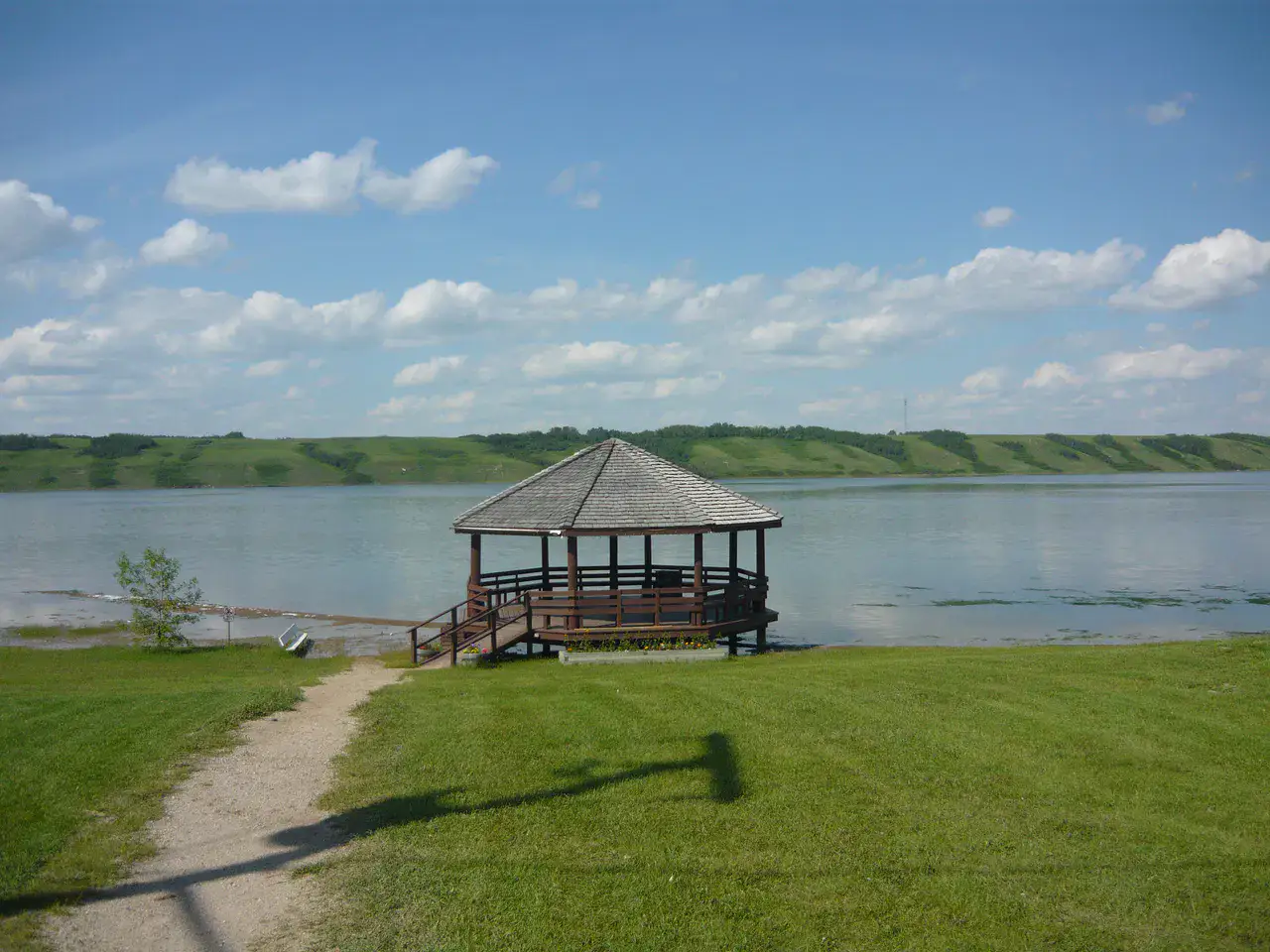
Riparian and Métis prairies tell of the resistance of 1885 in a landscape that remained very legible.
To understand what Batoche and South Saskatchewan Valley is, you must look at Batoche National Historic Site, St.Antoine de Padoue Church and Tourond Coulee. These places give a view of a territory marked by riverscapes, countryside and heritage and allow to move from emblematic sites to more intimate stages.
See all
For a stay of 2 to 4 days, a quiet rhythm works well. Also to be anticipated: variable influx depending on the season. A car is usually the easiest way to connect the different sectors. Accessibility varies from site to site and deserves to be verified step by step.
Strengths and constraints
Strengths
- Lieu historique national de Batoche
- Saint-Antoine-de-Padoue Church
- Coulée des Tourond
Before you choose
- Variable frequency depending on season
- Parking to anticipate in the center
Places worth visiting
A selection to start dreaming and organizing the stay — not an exhaustive list of everything there is to see.
Place indismissible
Lieu historique national de Batoche
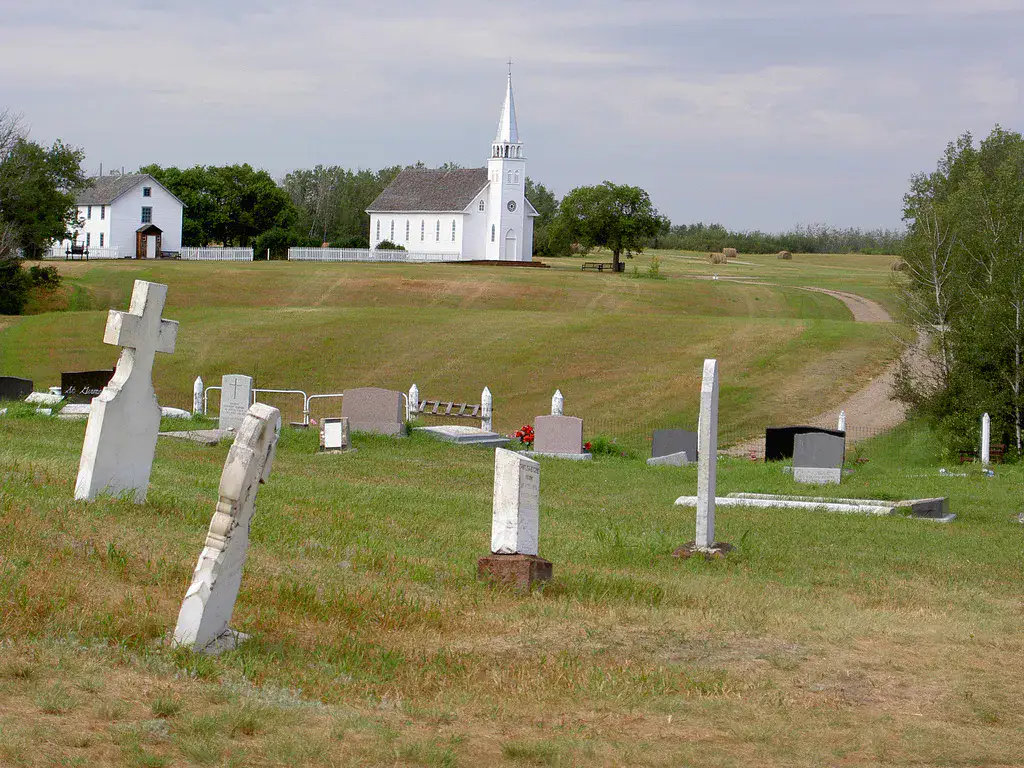
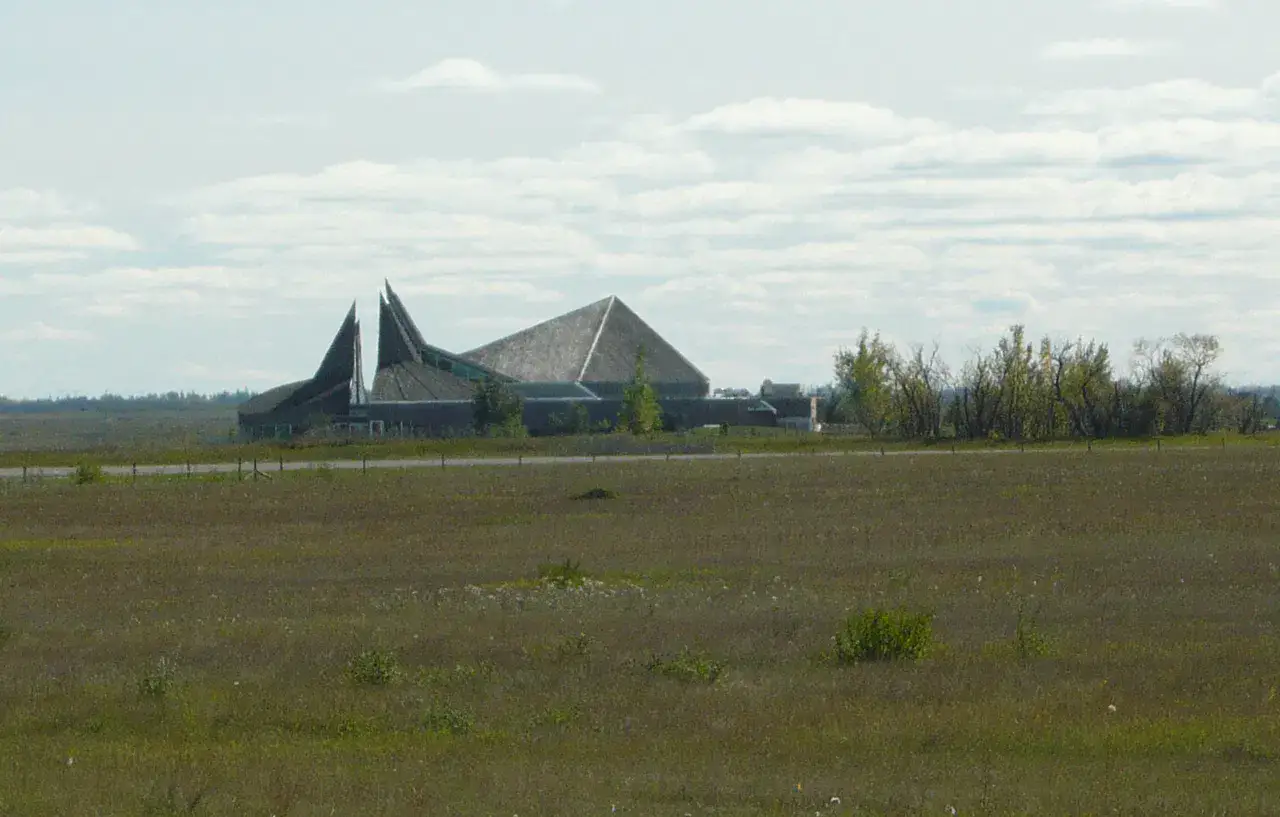
The National Historic Site of Canada Batoche The buildings, the cemetery, the roads and the shores of South Saskatchewan give a concrete dimension to this story, far from a simple textbook account.
Church
Église Saint-Antoine-de-Padoue
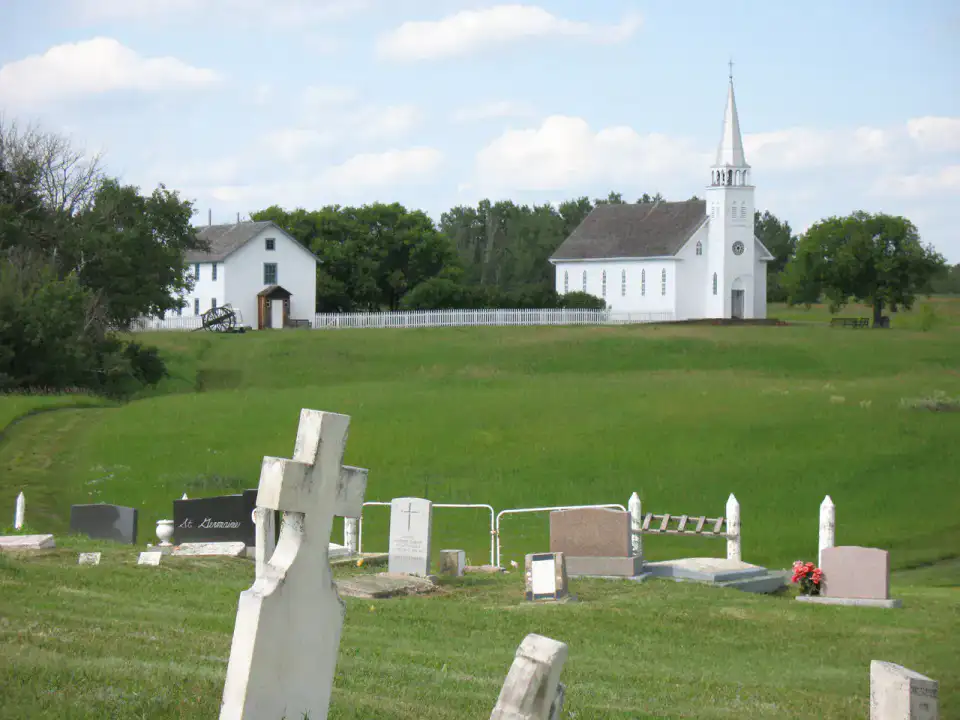
The church of Saint-Antoine-de-Padoue stands in the heart of the site of the Batoche, with its sober architecture and its neighbouring cemetery. It recalls the mestizo parish life as much as the tensions of 1885, when the place was found caught up in the events that marked Saskatchewan for a long time.
Place indismissible
Coulée des Tourond
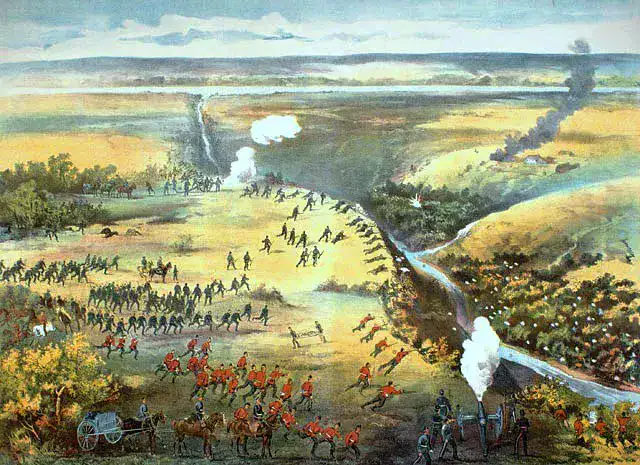
The Tourond flow, linked to the Battle of Fish Creek, shows a valley and prairie terrain where relief counted as much as men. On the spot, military history becomes legible in the slopes, ravines and lines of view that influenced the confrontation.
Culture and heritage
Duck Lake Regional Interpretive Centre
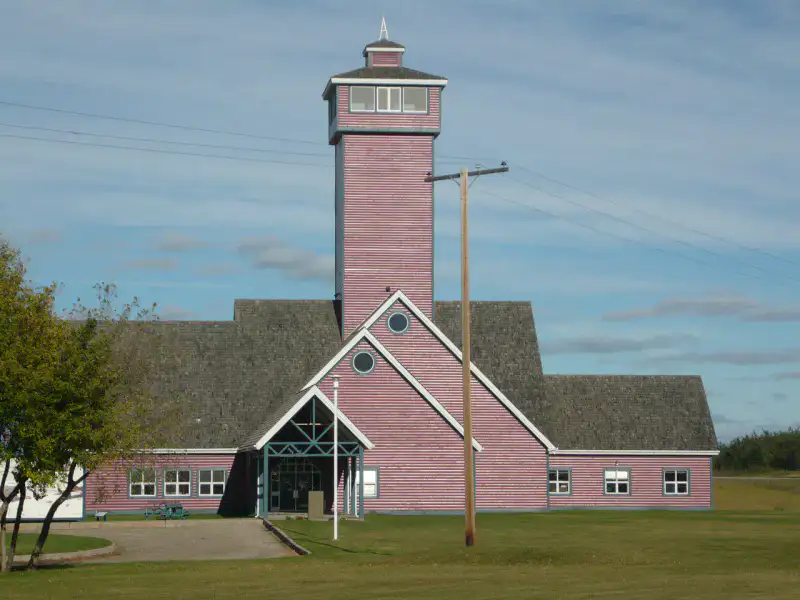
The Duck Lake Regional Interpretive Centre The visit provides useful landmarks before and after the visit to the region, including stories about Aboriginal peoples, Métis people, settlers and the 1885 events. Batoche, with objects, panels and local context around a territory often reduced to a few dates.
Practical tips
This information helps know if the destination matches the planned trip before starting a fuller search.
To go further
More activities
Restaurants, walks, culture, leisure and outings to search without leaving the destination card.
The nearest destinations
The closest ideas on the map, to extend your trip.
Similar destinations
Same landscapes and the same pace of travel, elsewhere in the world.