The notebook of Chengde
Get high on the day.
Imperial residence, Tibetan temples and wooded hills make up a major historical complex northeast of Beijing.
At your own pace
Identity summary
2 to 5 days
Spring · Summer · Autumn · Winter
Recommended car
City · Heritage · Mountain · Forest
Good accessibility
Modular rhythm
General presentation
Chengde
Imperial residence, Tibetan temples and wooded hills make up a major historical complex northeast of Beijing.
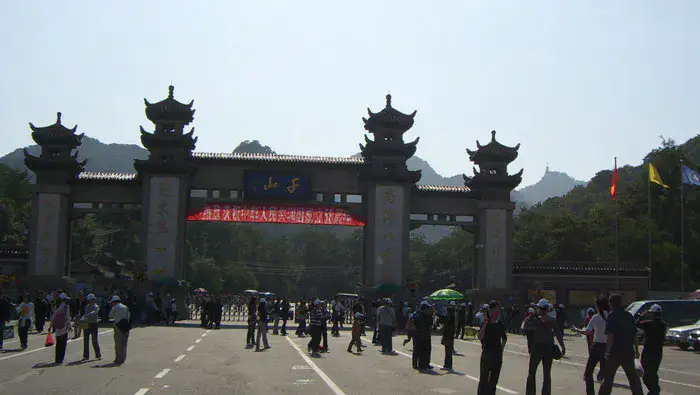
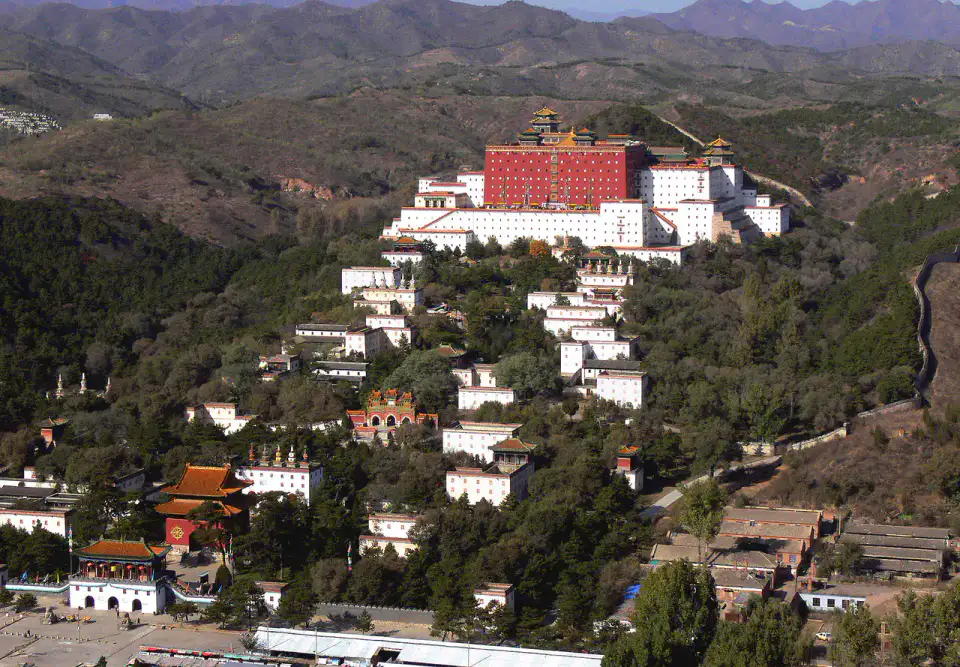
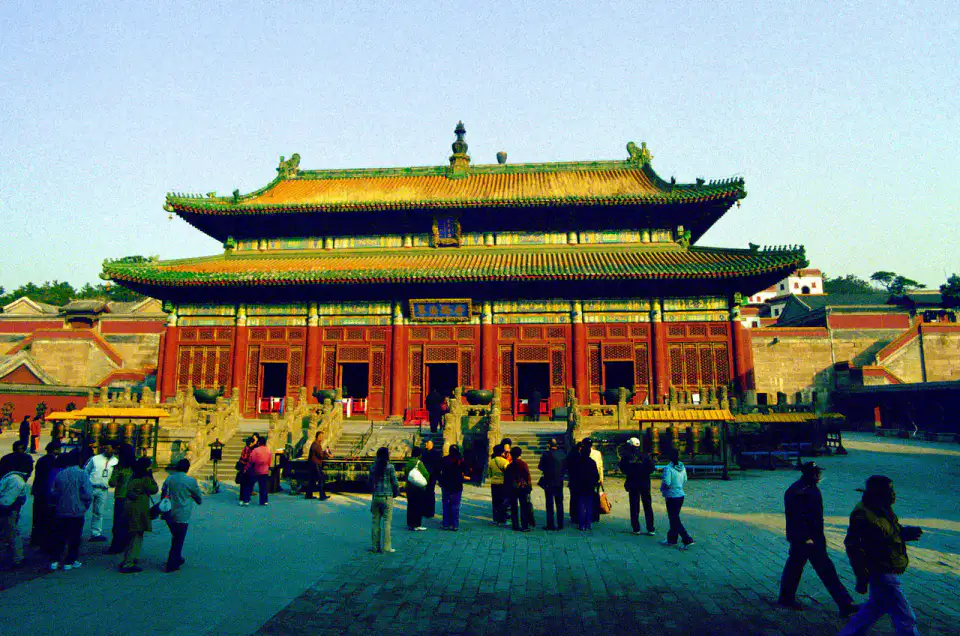
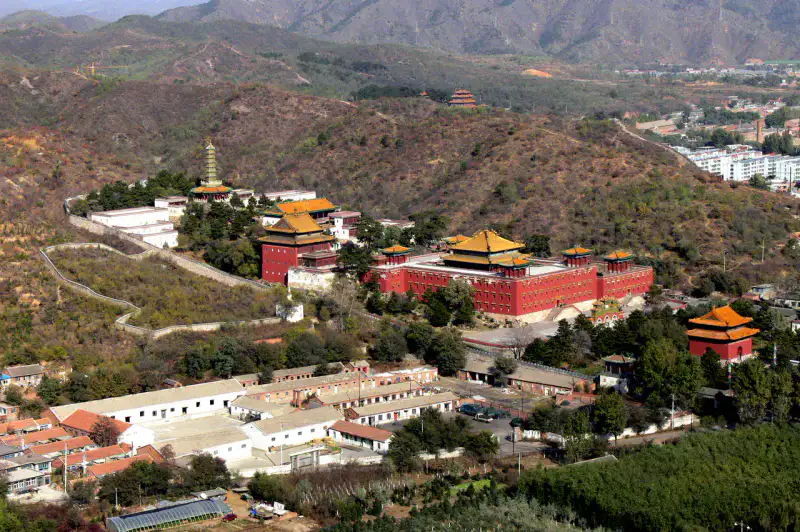
To understand what Chengde is, you must look at Chengde Mountain Residence, Putuo Zongcheng Temple and Puning Temple. These places give us a view of a territory marked by urban life, heritage, mountain reliefs and forests and allow us to move from emblematic sites to more intimate stages.
See all
For a stay of 2 to 5 days, it is better to balance visits and travel times. Also to be anticipated: conditions to be checked according to the season. A car is usually the easiest way to connect the different sectors. The main sites are generally easy to access.
Strengths and constraints
Strengths
- Résidence de montagne de Chengde
- Putuo Zongcheng Temple
- Puning Temple
Before you choose
- Car often useful
- Conditions to be checked by season
Places worth visiting
A selection to start dreaming and organizing the stay — not an exhaustive list of everything there is to see.
Place indismissible
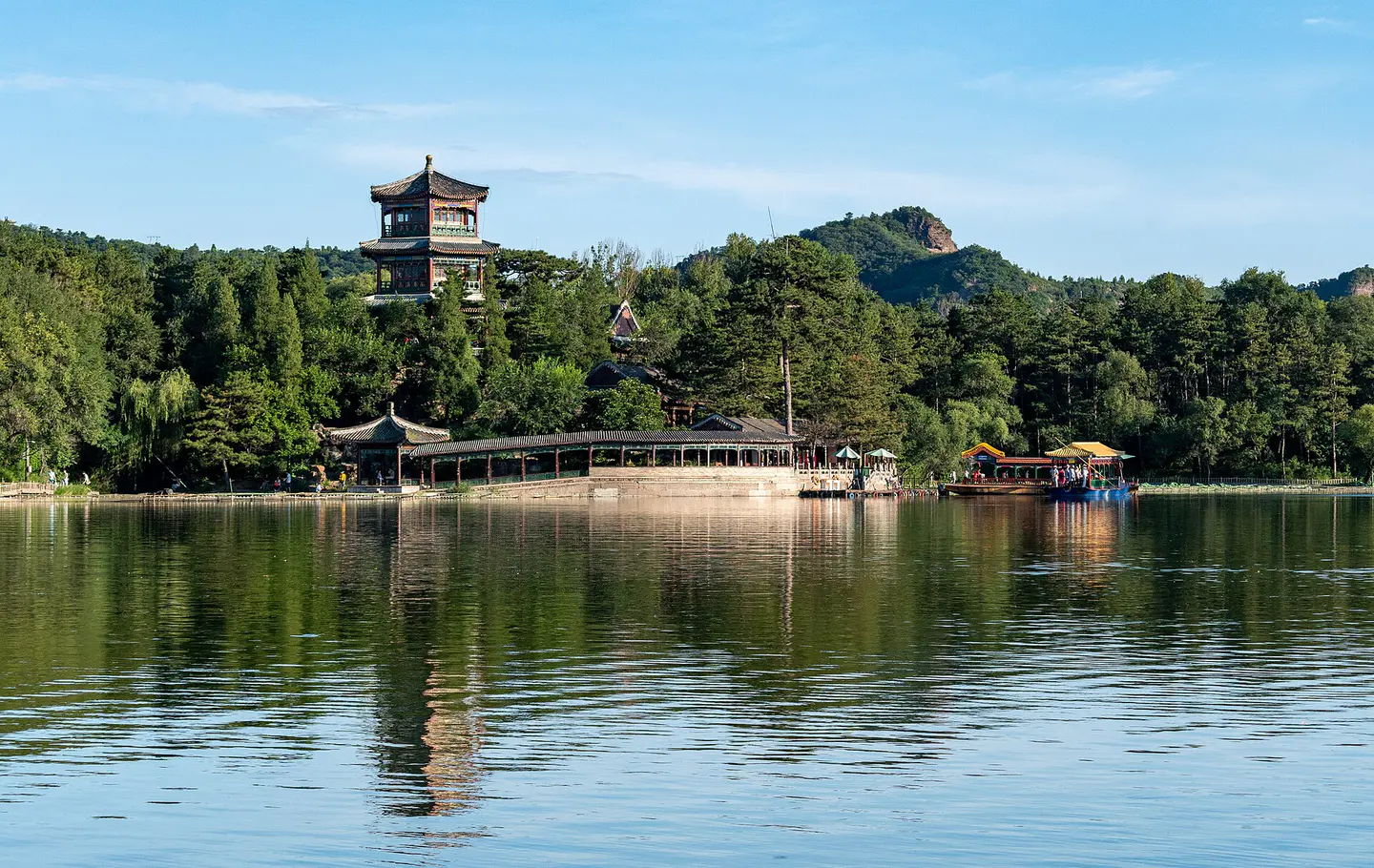
Résidence de montagne de Chengde
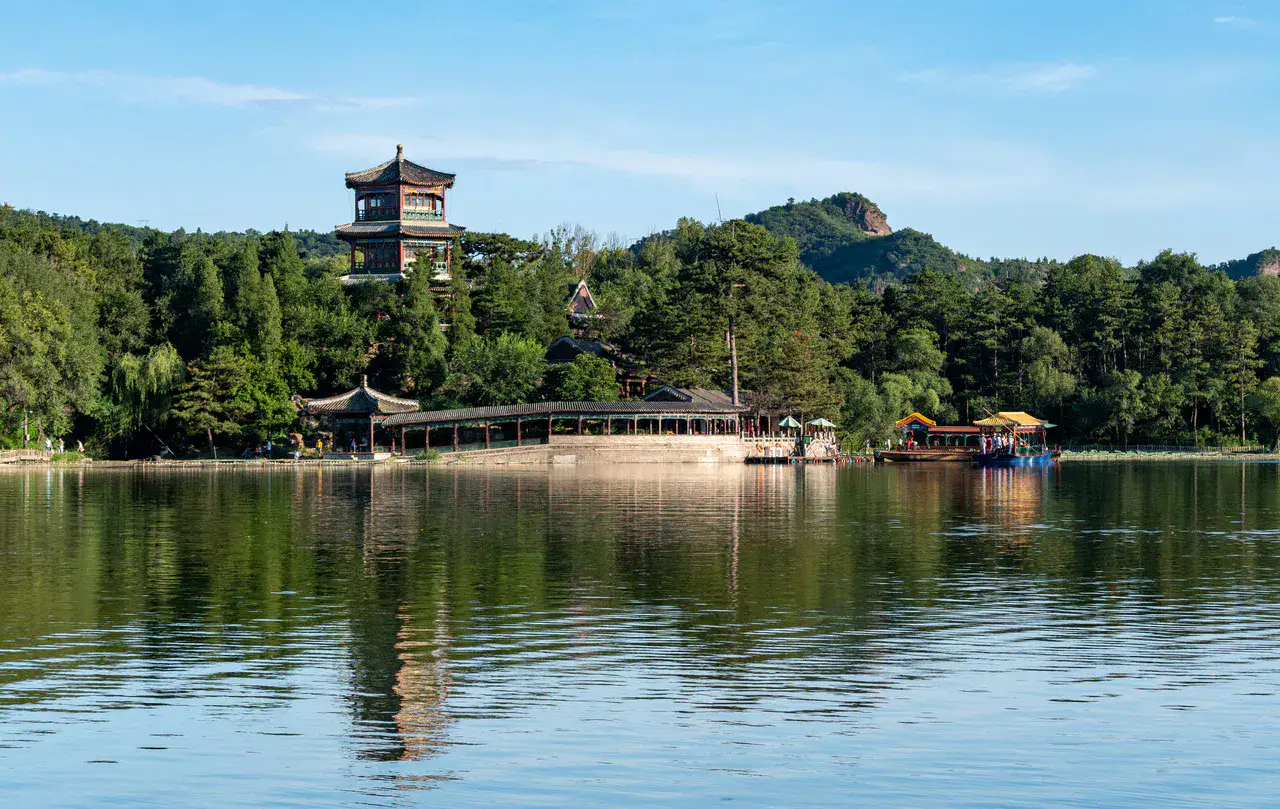
The summer residence of the Qings brings together palaces, lakes, gardens and large wooded areas behind a long enclosure. The estate takes several hours and good shoes, the remote areas being sometimes served by shuttle.
Temple
Temple de Putuo Zongcheng
Putuo Zongcheng was conceived in the 18th century as a monumental evocation of Potala, with red terraces and golden pavilions. The ascent gradually reveals the scale of the complex and wide views towards the mountains of Chengde.
Temple
Temple de Puning
Puning combines a composition inspired by Tibetan monasteries with a great shrine of Chinese tradition built under Qianlong. Its immense wooden statue of Guanyin is the strong point, in a religious set that is always active.
Temple
Temple de Xumi Fushou
Xumi Fushou was built to welcome the sixth panchen-lama during his visit to Emperor Qianlong. Golden roofs, terraces and pavilions connect Tibetan references and Chinese imperial techniques in a less frequented ensemble.
Practical tips
This information helps know if the destination matches the planned trip before starting a fuller search.
To go further
More activities
Restaurants, walks, culture, leisure and outings to search without leaving the destination card.
The nearest destinations
The closest ideas on the map, to extend your trip.
Escaped to discover
Chengde et prairies impériales
Hebei, 🇨🇳 People's Republic of China
Discover this idea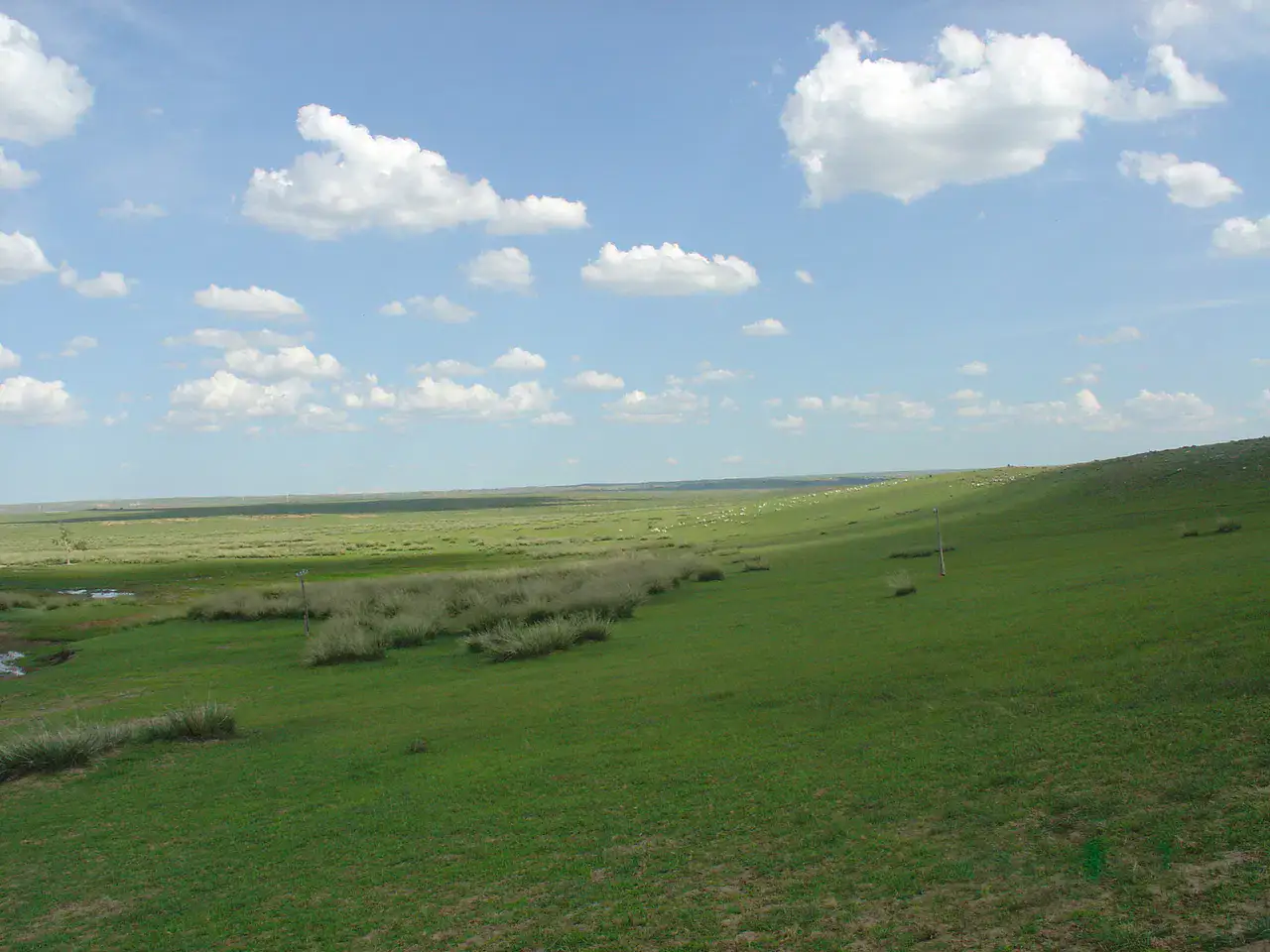
Similar destinations
Same landscapes and the same pace of travel, elsewhere in the world.