Il diario di Chengde
Prendere quota sulla giornata.
Imperial residence, Tibetan temples and wooded hills make up a major historical complex northeast of Beijing.
Al tuo ritmo
Riepilogo dell’identità
2 - 5 giorni
Primavera · Estate · Autunno · Inverno
Auto consigliata
Città · Patrimonio · Montagna · Foresta
Buona accessibilità
Ritmo modulabile
Presentazione generale
Chengde
Imperial residence, Tibetan temples and wooded hills make up a major historical complex northeast of Beijing.
To understand what Chengde is, you must look at Chengde Mountain Residence, Putuo Zongcheng Temple and Puning Temple. These places give us a view of a territory marked by urban life, heritage, mountain reliefs and forests and allow us to move from emblematic sites to more intimate stages.
Vedi tutto
For a stay of 2 to 5 days, it is better to balance visits and travel times. Also to be anticipated: conditions to be checked according to the season. A car is usually the easiest way to connect the different sectors. The main sites are generally easy to access.
Punti di forza e vincoli
Punti di forza
- Résidence de montagne de Chengde
- Putuo Zongcheng Temple
- Puning Temple
Da sapere prima di scegliere
- Car often useful
- Conditions to be checked by season
Luoghi imperdibili
Una selezione per iniziare a sognare e organizzare il soggiorno — non un elenco esaustivo di tutto ciò che c’è da vedere.
Place indismissible
Résidence de montagne de Chengde
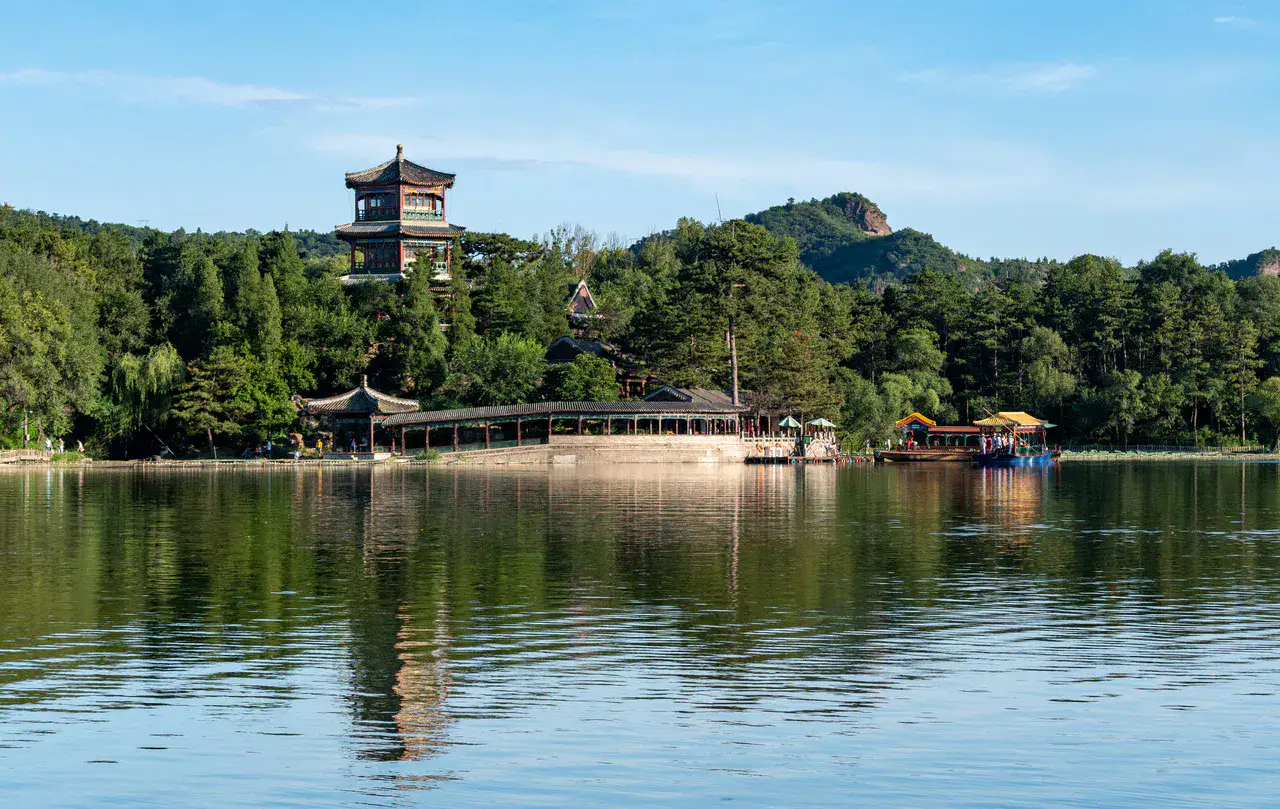
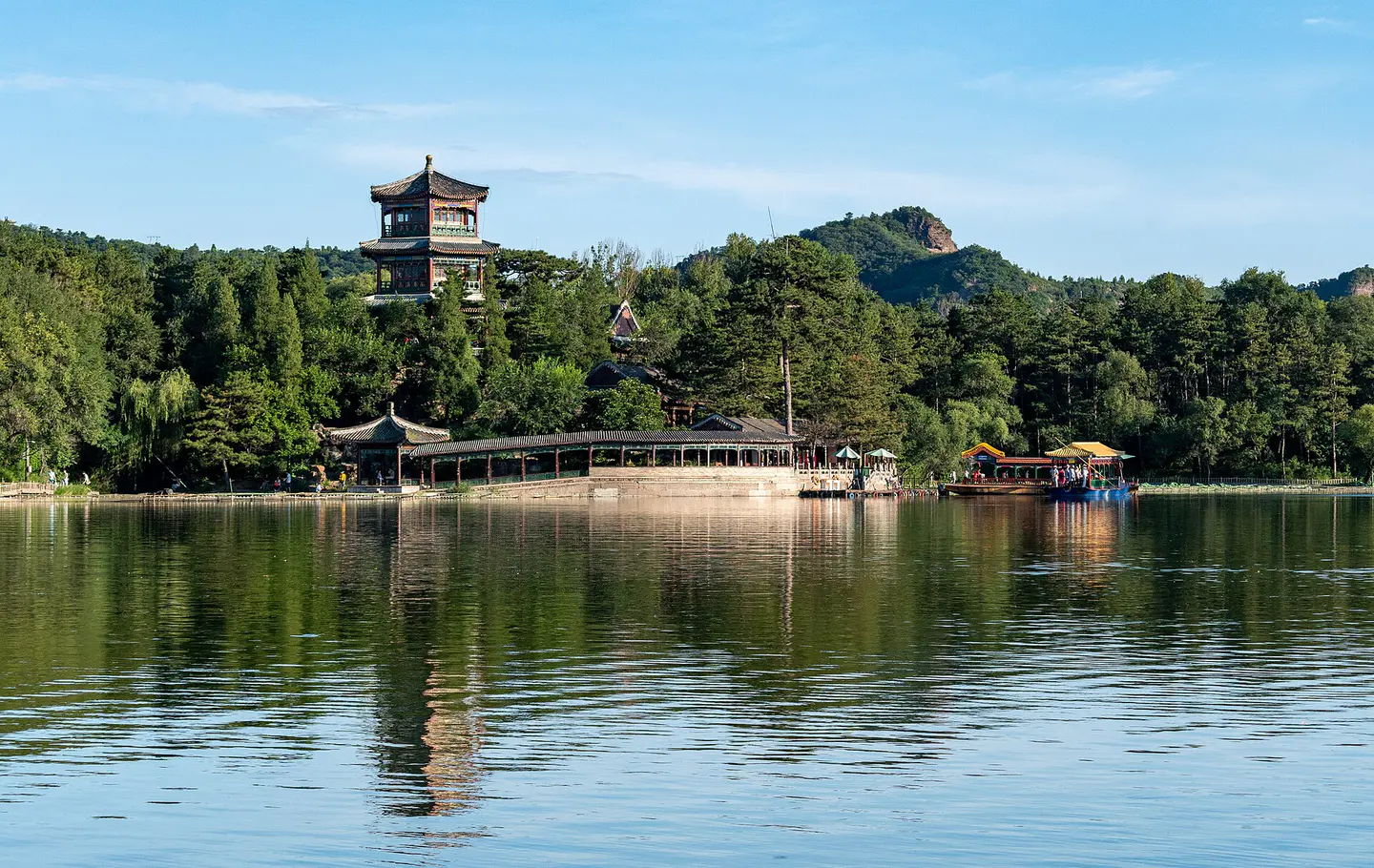
The summer residence of the Qings brings together palaces, lakes, gardens and large wooded areas behind a long enclosure. The estate takes several hours and good shoes, the remote areas being sometimes served by shuttle.
Tempio
Putuo Zongcheng Temple
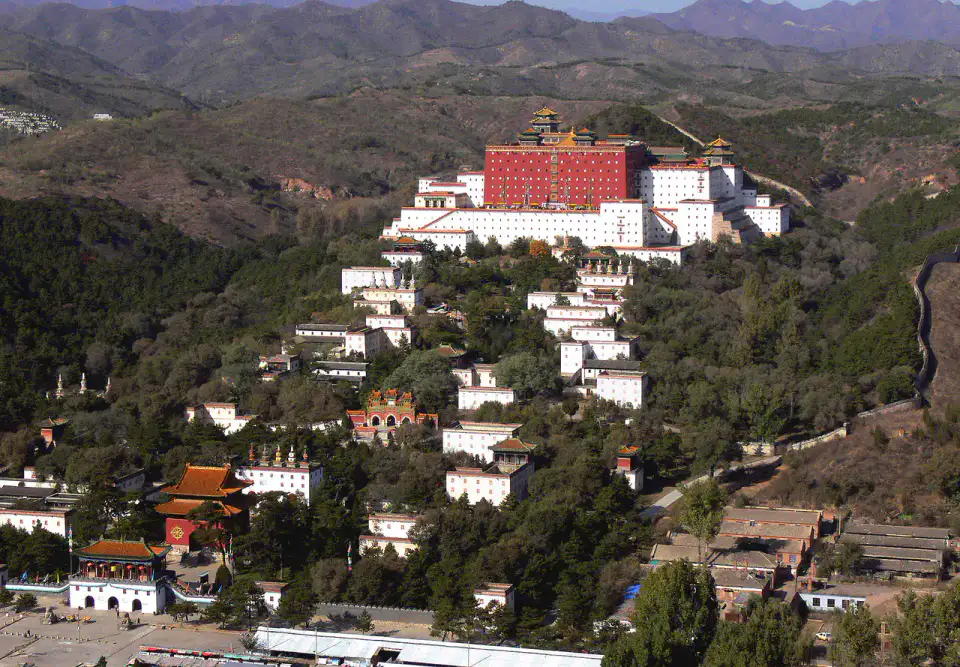
Putuo Zongcheng was conceived in the 18th century as a monumental evocation of Potala, with red terraces and golden pavilions. The ascent gradually reveals the scale of the complex and wide views towards the mountains of Chengde.
Tempio
Puning Temple
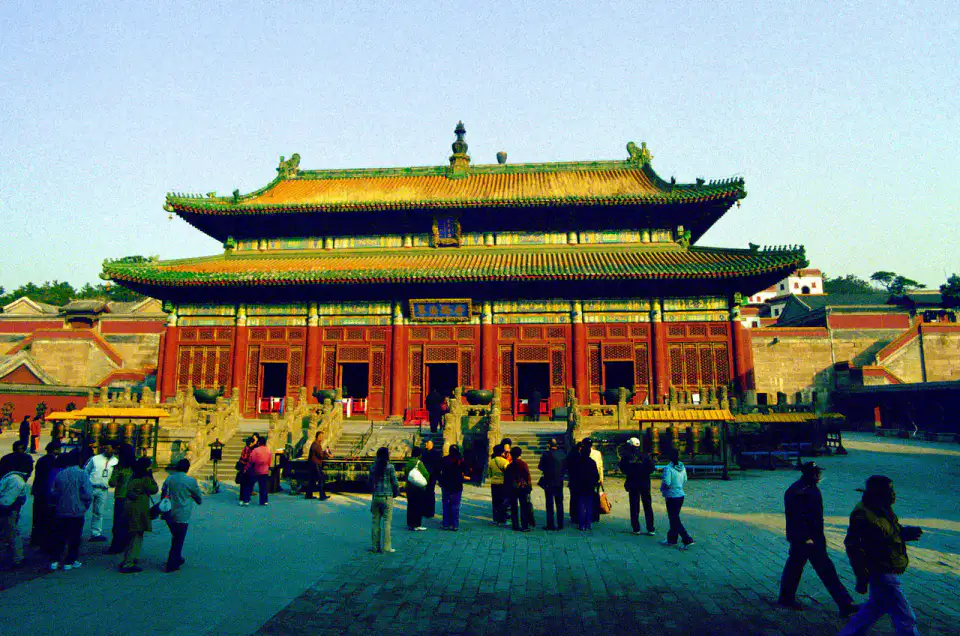
Puning combines a composition inspired by Tibetan monasteries with a great shrine of Chinese tradition built under Qianlong. Its immense wooden statue of Guanyin is the strong point, in a religious set that is always active.
Tempio
Temple de Xumi Fushou
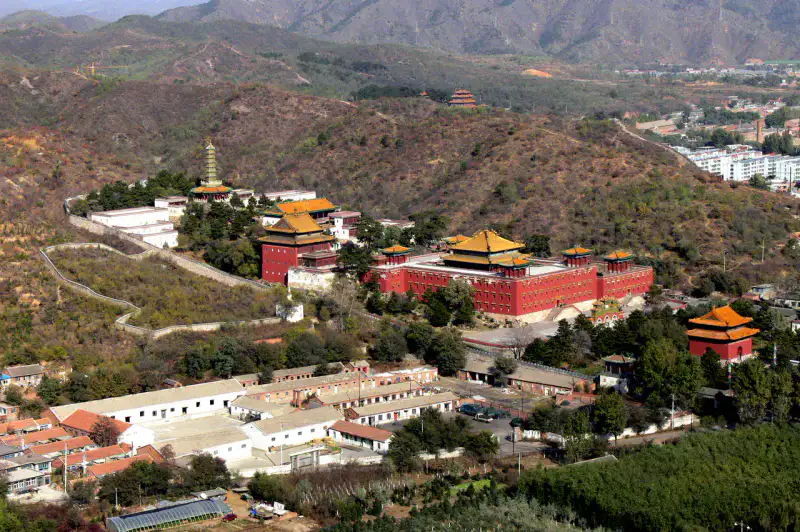
Xumi Fushou was built to welcome the sixth panchen-lama during his visit to Emperor Qianlong. Golden roofs, terraces and pavilions connect Tibetan references and Chinese imperial techniques in a less frequented ensemble.
Consigli pratici
This information helps know if the destination matches the planned trip before starting a fuller search.
Per approfondire
Altre attività
Ristoranti, passeggiate, cultura, svago e uscite da cercare senza lasciare la scheda della destinazione.
Le destinazioni più vicine
Le idee più vicine sulla mappa, per prolungare il viaggio.
Gli somigliano
Stessi paesaggi e stesso ritmo di viaggio, altrove nel mondo.