O diário de Chengde
Ganhar altura sobre o dia.
Imperial residence, Tibetan temples and wooded hills make up a major historical complex northeast of Beijing.
No seu ritmo
Resumo de identidade
2 à 5 jours
Primavera · Verão · Outono · Inverno
Carro recomendado
Cidade · Patrimônio · Montanha · Floresta
Boa acessibilidade
Ritmo ajustável
Apresentação geral
Chengde
Imperial residence, Tibetan temples and wooded hills make up a major historical complex northeast of Beijing.
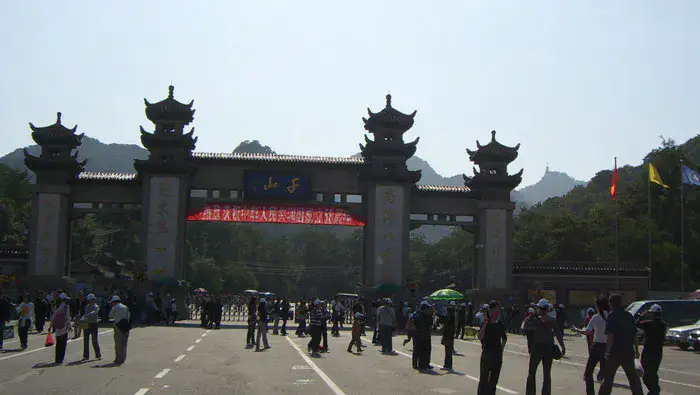
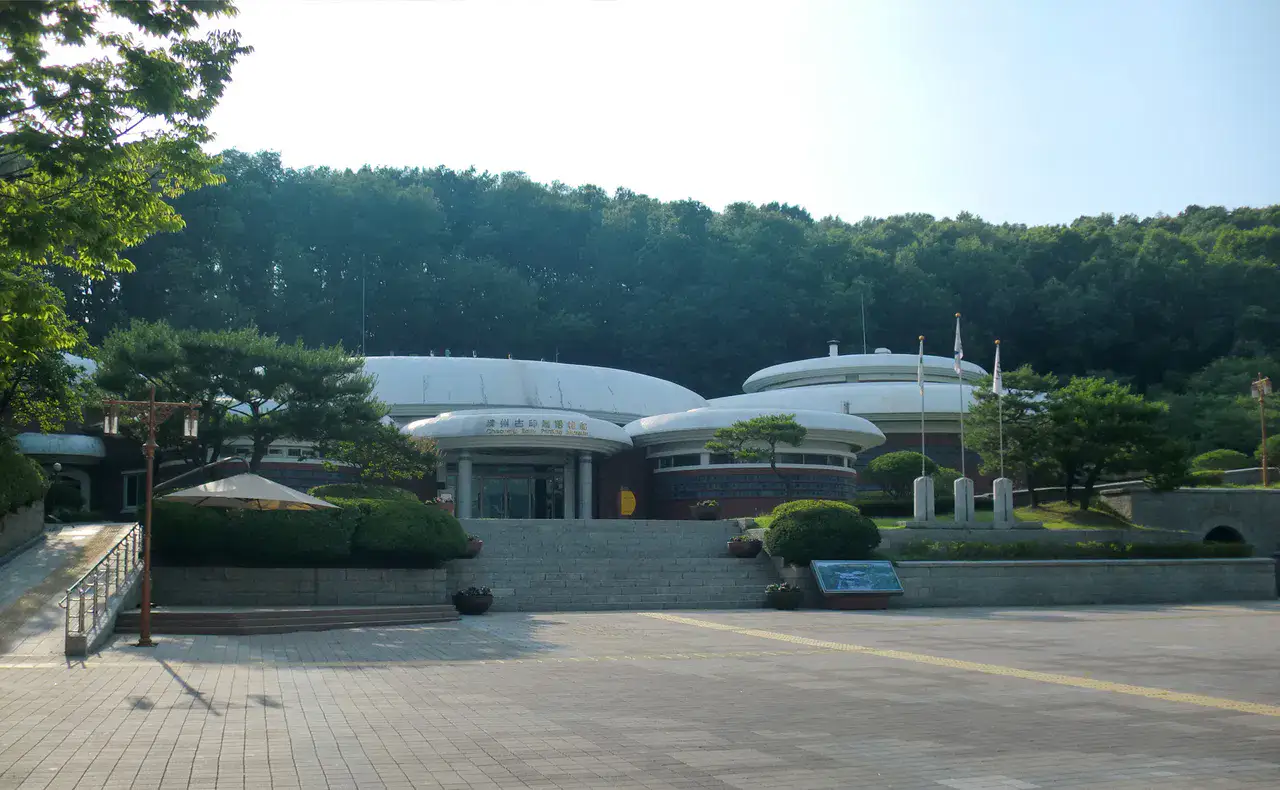
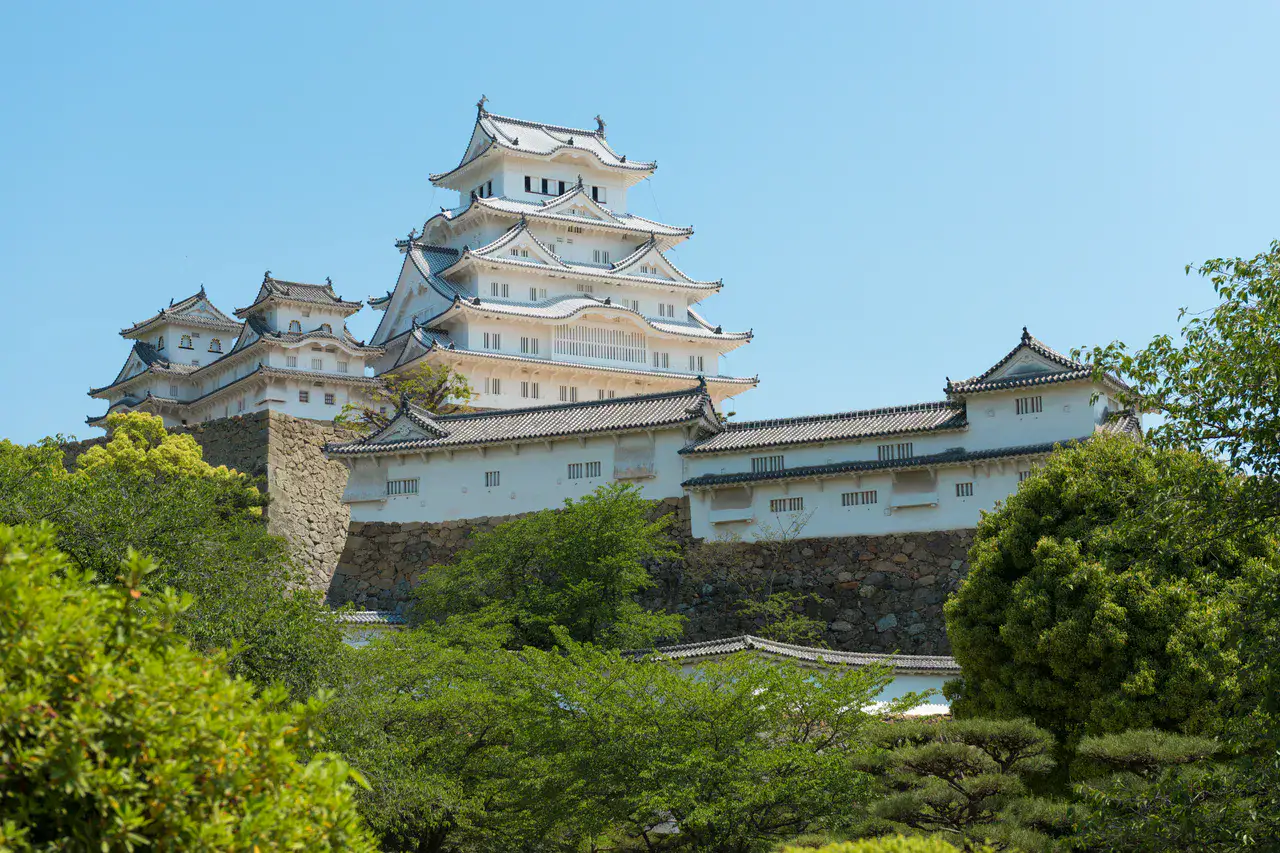
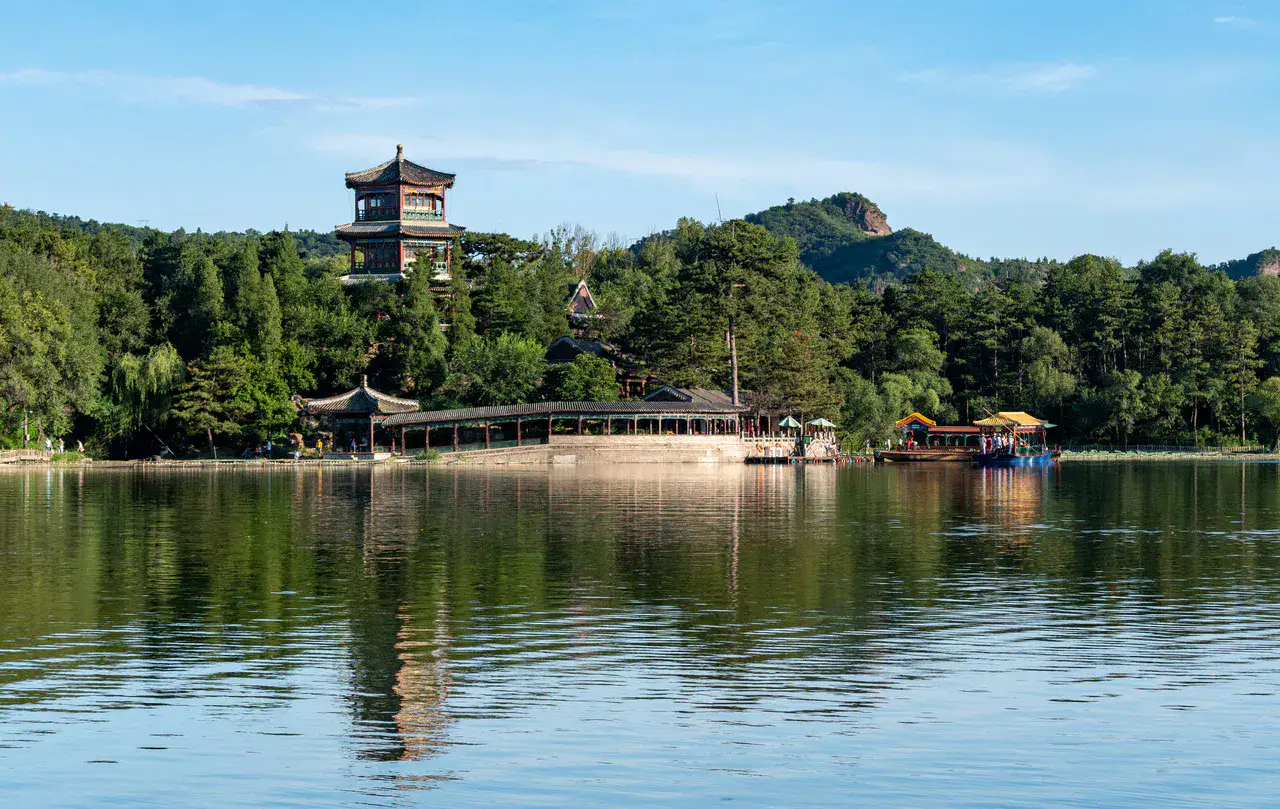
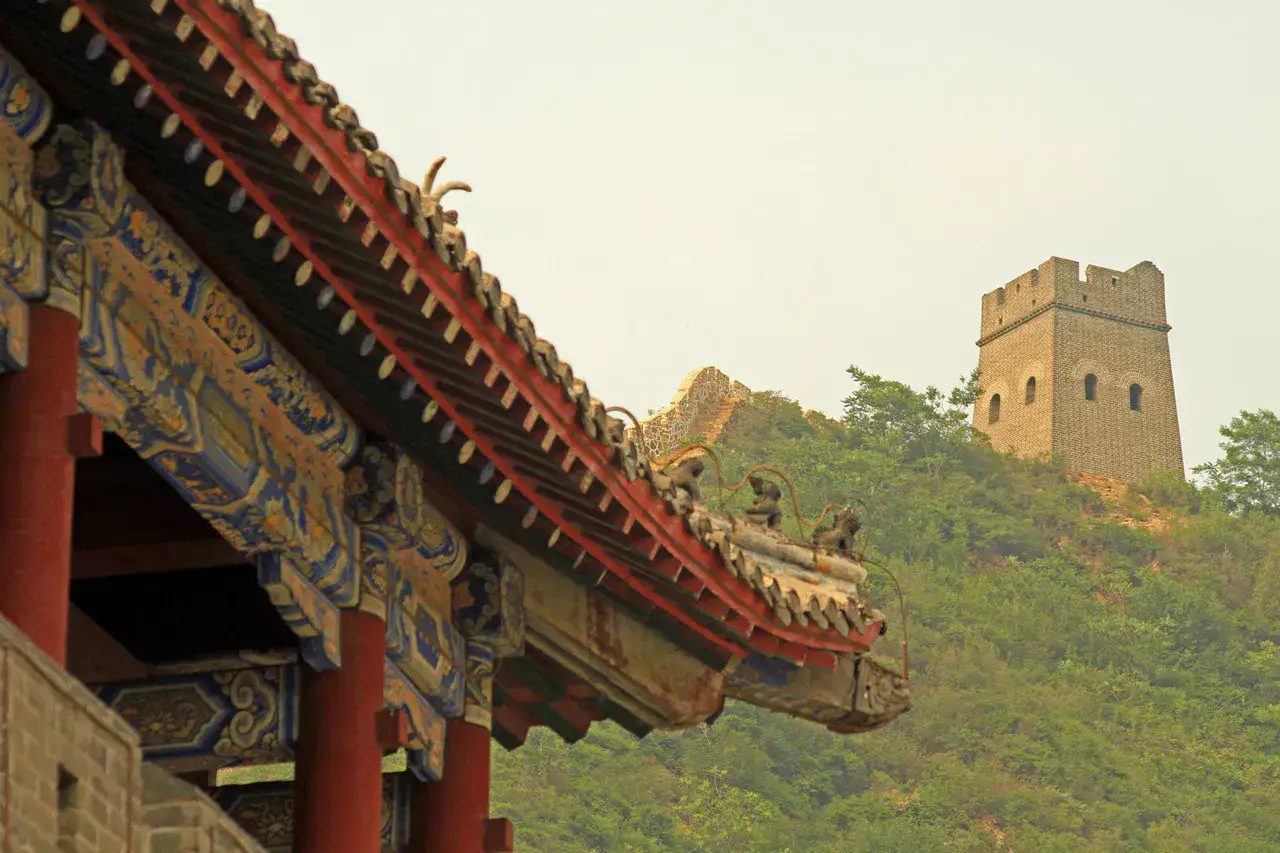
To understand what Chengde is, you must look at Chengde Mountain Residence, Putuo Zongcheng Temple and Puning Temple. These places give us a view of a territory marked by urban life, heritage, mountain reliefs and forests and allow us to move from emblematic sites to more intimate stages.
Ver tudo
For a stay of 2 to 5 days, it is better to balance visits and travel times. Also to be anticipated: conditions to be checked according to the season. A car is usually the easiest way to connect the different sectors. The main sites are generally easy to access.
Pontos fortes e restrições
Pontos fortes
- Résidence de montagne de Chengde
- Putuo Zongcheng Temple
- Puning Temple
Bom saber antes de escolher
- Car often useful
- Conditions to be checked by season
Lugares imperdíveis
Uma seleção para começar a sonhar e organizar a estadia — não uma lista exaustiva de tudo o que há para ver.
Place indismissible
Résidence de montagne de Chengde
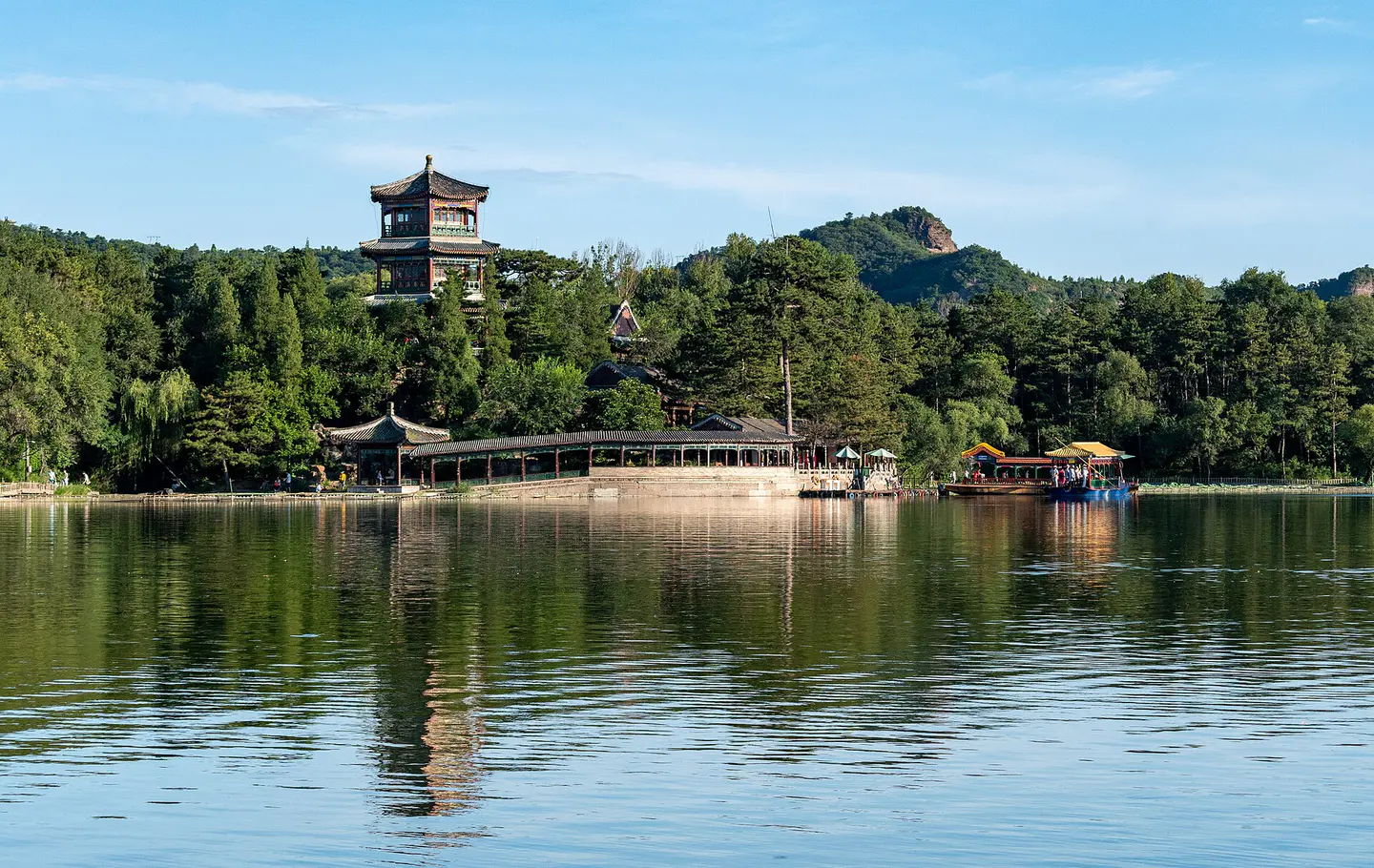
The summer residence of the Qings brings together palaces, lakes, gardens and large wooded areas behind a long enclosure. The estate takes several hours and good shoes, the remote areas being sometimes served by shuttle.
Templo
Putuo Zongcheng Temple
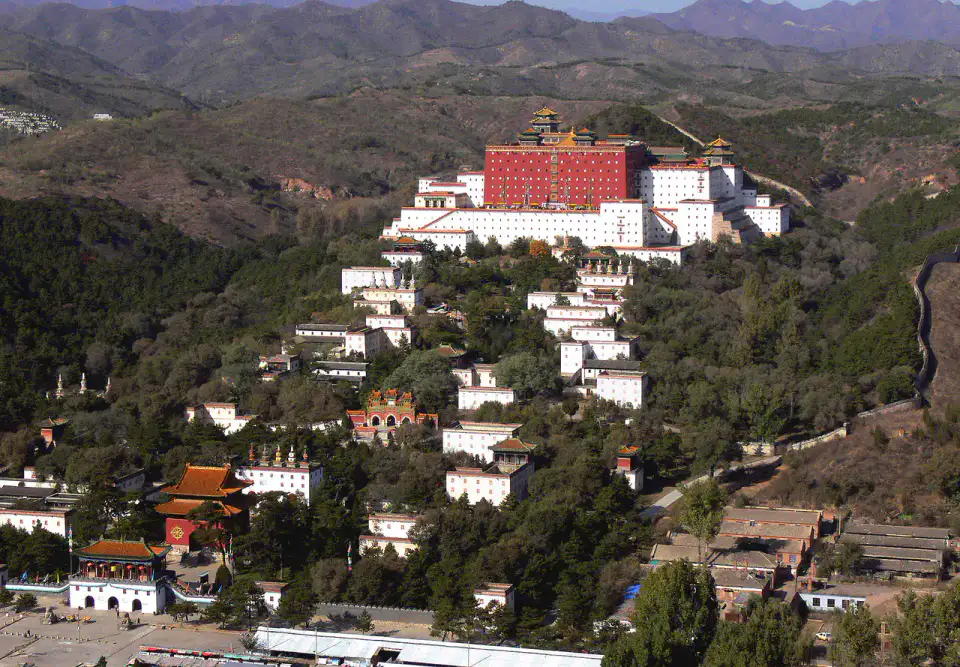
Putuo Zongcheng was conceived in the 18th century as a monumental evocation of Potala, with red terraces and golden pavilions. The ascent gradually reveals the scale of the complex and wide views towards the mountains of Chengde.
Templo
Puning Temple
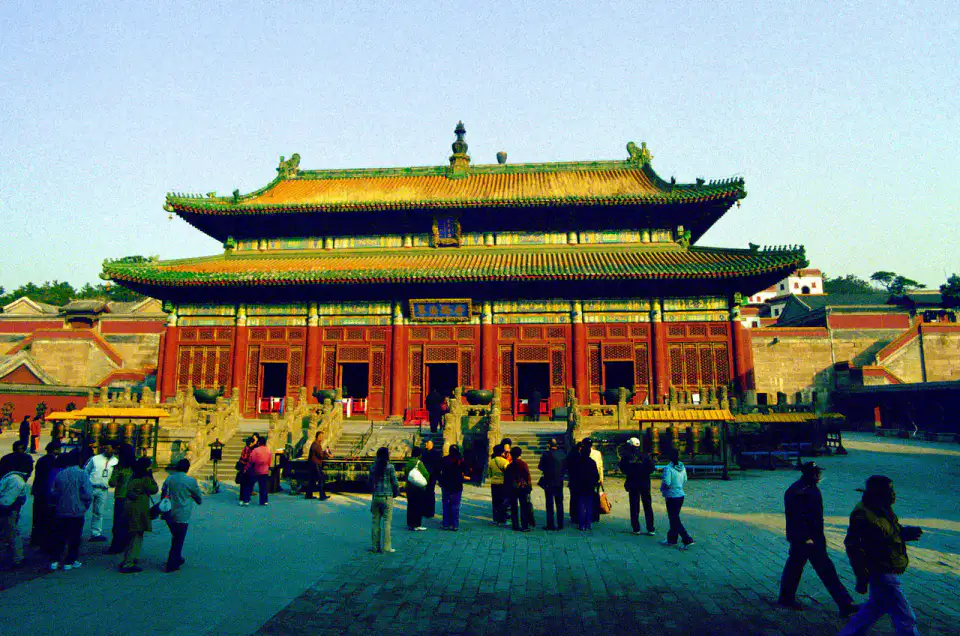
Puning combines a composition inspired by Tibetan monasteries with a great shrine of Chinese tradition built under Qianlong. Its immense wooden statue of Guanyin is the strong point, in a religious set that is always active.
Templo
Temple de Xumi Fushou
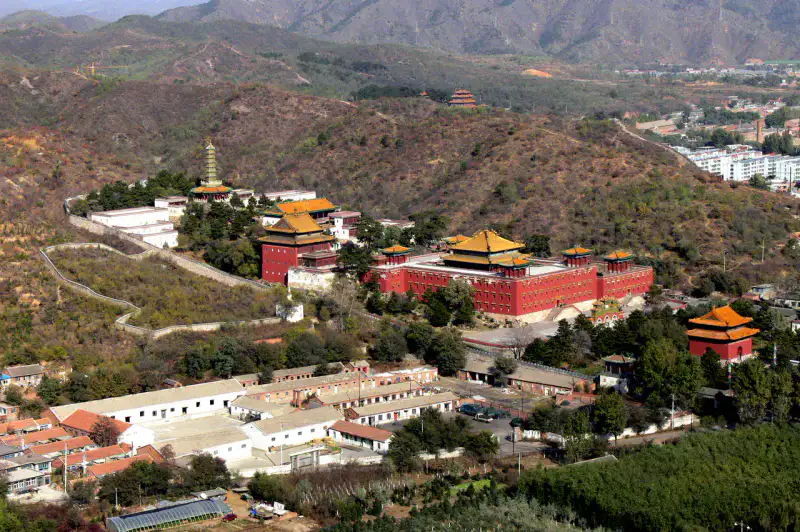
Xumi Fushou was built to welcome the sixth panchen-lama during his visit to Emperor Qianlong. Golden roofs, terraces and pavilions connect Tibetan references and Chinese imperial techniques in a less frequented ensemble.
Dicas práticas
This information helps know if the destination matches the planned trip before starting a fuller search.
Para ir mais longe
Mais atividades
Restaurantes, passeios, cultura, lazer e saídas para pesquisar sem sair da página do destino.
Os destinos mais próximos
As ideias mais próximas no mapa, para prolongar a viagem.
Parecidos com ele
Mesmas paisagens e mesmo ritmo de viagem, em outras partes do mundo.